

Blind dates, lock outs, and pitching.
Communication is the common thread here, we promise.

Blocked
How angry would you be if you had a break up over email? Mad af, right? From a four year relationship, moving cities, and getting locked out with NO warning…yeah, that’s what happened to Michelle.
Michelle was a supportive partner. She supported her boyfriends career, his friends, then he did the unimaginable, on her birthday.
It’s not what you’re thinking, I’m sure, so I won’t dare spoil it for you.
Have a wild dating story? Slide into our DMs
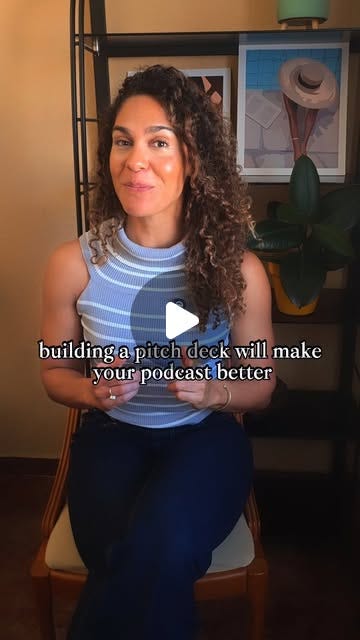
Why Every Podcast Needs a Pitch Deck (Yes, Even Yours)
If you’re building a podcast and thinking, “I’ll make a pitch deck once we’re bigger,” stop waiting.
A pitch deck isn’t just for sponsors or networks, it’s how your show introduces itself when you’re not in the room.
At DCP, we treat pitch decks like passports. They help shows cross borders: from indie to network, from passion project to paid opportunity, from “this sounds cool” to “let’s move forward.”
So… what is a podcast pitch deck?
This is your show’s business card, trailer, and strategy doc rolled into one clean, skimmable presentation.
If your podcast were a startup, this would be the investor deck.
If it were a TV show, this would be the pitch bible.
If it were a date, this would be the second date…when things get real.
It answers one big question: Why this show, and why now?
A good pitch deck does three things:
Clarifies your value
Not just what your show is, but who it’s for and why it matters.Builds trust fast
It shows you’re thoughtful, intentional, and serious about growth.Makes “yes” easier
For sponsors, collaborators, networks, press — anyone deciding whether to bet on you.
And honestly? Even if you never send it to anyone, building a deck forces you to look at your show objectively, not emotionally.
(We love our podcasts, but feelings don’t close deals.)
What Actually Goes In a Podcast Pitch Deck
You don’t need 40 slides. You need clarity.
1. What You Have Right Now
This is your foundation.
Show title + category (be specific)
One-sentence positioning (what makes it different)
Host(s): who you are and why you’re credible
Format & cadence (weekly? seasonal? video?)
Early traction: downloads, reviews, press, momentum
2. Who You Reach (and How)
This is where most creators get vague. Don’t.
Who your listener actually is
Where they live, what they care about, why they listen
If monetizing: ad formats, placements, integrations
What upcoming episodes look like (even at a high level)
You’re showing that this show doesn’t just exist, it connects.
3. Why This Matters to Them
This is the most important slide.
Not:
“We’re looking for support.”
But:
“Here’s what this show can do for you.”
Whether it’s:
A brand reaching a niche audience
A network filling a content gap
A collaborator growing alongside you
Your deck should clearly spell out the upside for them.
A Quick Design Reality Check
You don’t need fancy animations or wild fonts.
Use tools like Google Slides or Canva, pick one color palette, one font family, and let the ideas do the heavy lifting.
Clean > clever.
Clear > cute.
How Pitch Decks Actually Get Used
A pitch deck should be easy to share and easy to update.
Link it on your site
Keep it in your email signature
Send it after intro calls
Update individual slides as your show evolves
Your podcast will change…your deck should evolve with it.
The Bottom Line
A pitch deck doesn’t magically make your podcast successful, but it positions it for success.
It shows:
You know your show
You know your audience
You know where this could go
And when the right opportunity shows up?
You’re ready.
On Our Radar: HBCU Week NOW Student Film Festival
This week, we’re spotlighting the inaugural HBCU Week NOW Student Film Festival, giving emerging filmmakers from Historically Black Colleges and Universities a national stage. Produced by Black Public Media and Maryland Public Television, the festival features ten award-winning short films by students and recent graduates of Hampton University, Howard University, and Spelman College.
Spanning documentary, animation, sci-fi, and experimental work, each selected filmmaker receives a $5,000 award—and their film will stream starting January 27 on the HBCU Week NOW YouTube channel. The stories tackle everything from environmental justice and AI to femininity, sports history, and the Black body. Proof that the next wave of storytellers isn’t coming—it’s already here.
Enjoy the weekend, enjoy a film (did you see those Oscar nominees!?), relax or get creative.
We’ll see you next week!